
In the summers of 2021 and 2022, I took an opportunity to intern with Umass’s Department of Conservation at the United States Department of Agriculture. I worked at the Forest Pest Methods Laboratory (FPML) on Joint Base Cape Cod (JBCC), which is part of the USDA’s Animal and Plant Health Inspection Service (APHIS), chiefly APHIS’ Plant Protection and Quarantine (PPQ). The US government LOVES acronyms.

According to Scott Pfister, the current FPML director, the lab opened in the late ’60s as an Agricultural Research Service (ARS) laboratory to study the spongy moth. It was called the Otis Laboratory. The military installation on Cape Cod was a good location because it is federal land, and many vacant buildings were available. At the time, the spongy moth was the lab’s only pest studied, and it was already established in Eastern Massachusetts, so there was no threat of it causing more damage if it escaped. APHIS formed in the early ’70s, and the Otis Lab eventually became APHIS exclusively. The shift to other invasives occurred in the ’80s, and now the lab holds around 20 exotic and invasive species that threaten U.S. agriculture and forestry.
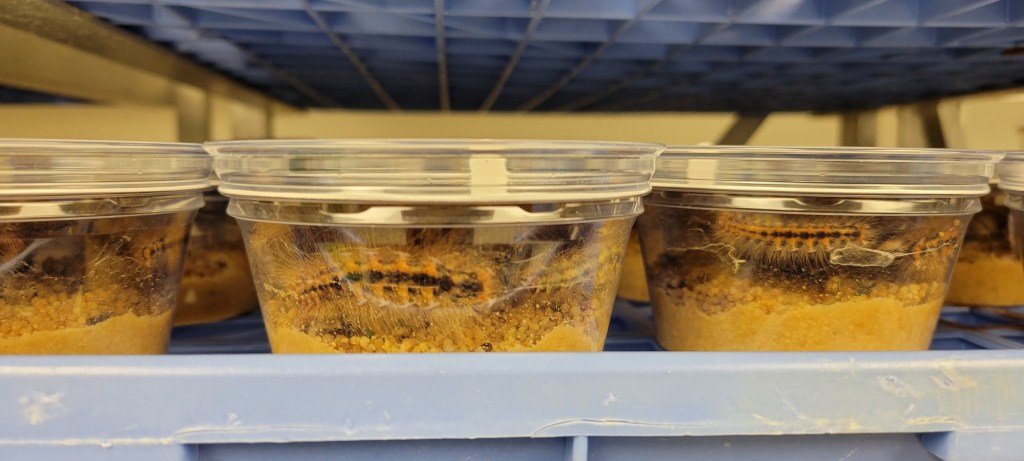
The APHIS FPML facility is housed on an 11-acre campus on Joint Base Cape Cod. Since its inception, it has had many changes, and the FMPL now has approximately 35,000 square feet of laboratories, offices, conference space, a workshop, insect-rearing areas, and a quarantined insect containment. Their work involves insect rearing, insect control, species identification, host specificity, survey and spatial analysis of invasive pest species distributions, insect behavior, and development of regulatory treatments.
I worked as a lab and field technician in the summers of 2021 and 2022. I mainly researched and evaluated a biological control (biocontrol) agent. for its potential to attack and kill Asian Long horned Beetle (ALB) larvae. The biocontrol agent was a parasitoid wasp. Ontsira mellipes is a stingless parasitoid wasp that is native to North America, abundant, and widely distributed across the continent. Ontsira mellipes attacks larvae of native woodboring cerambycids, and scientists hoped they would parasitize and reduce ALB populations in the field.
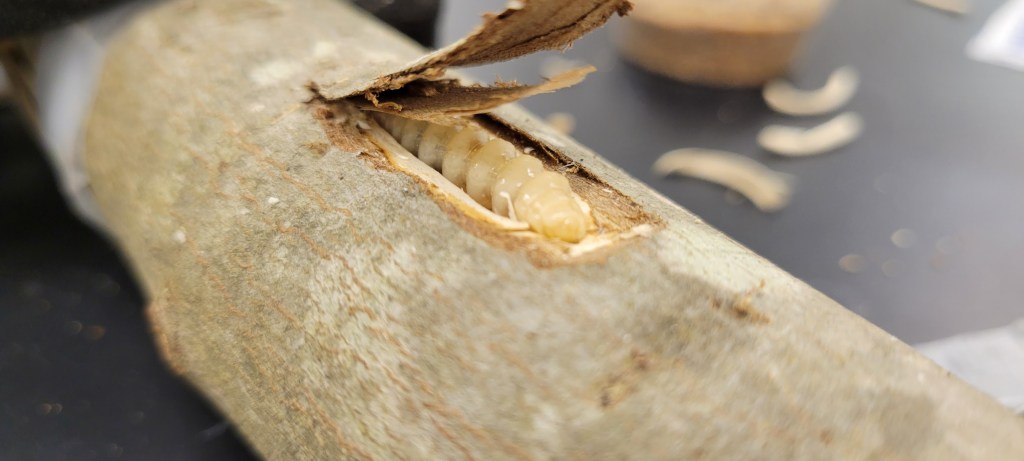
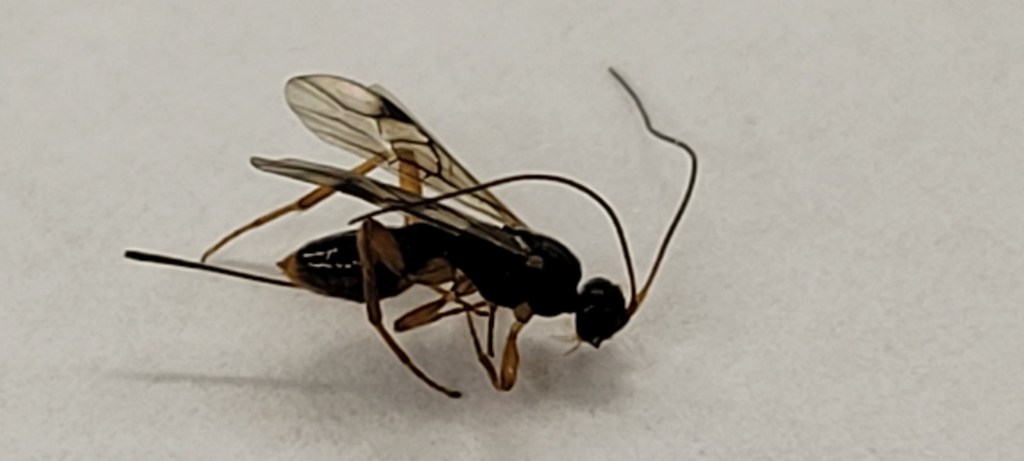
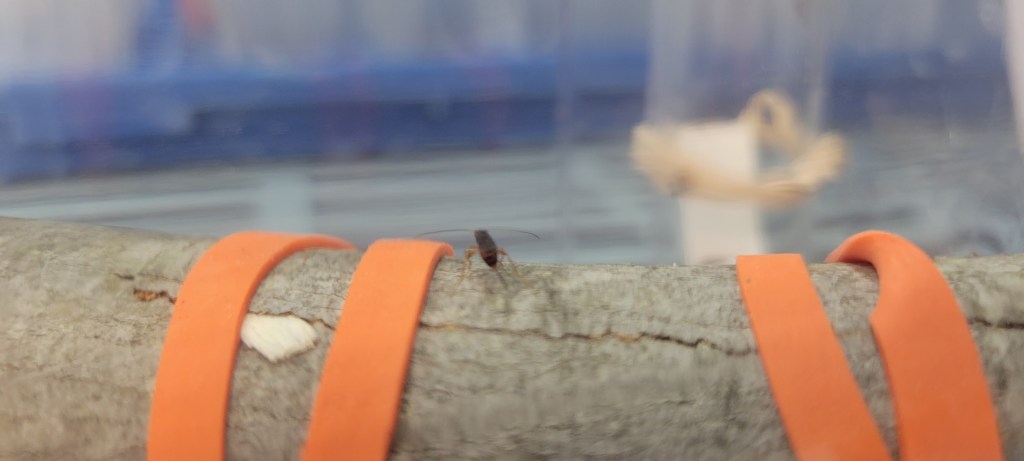
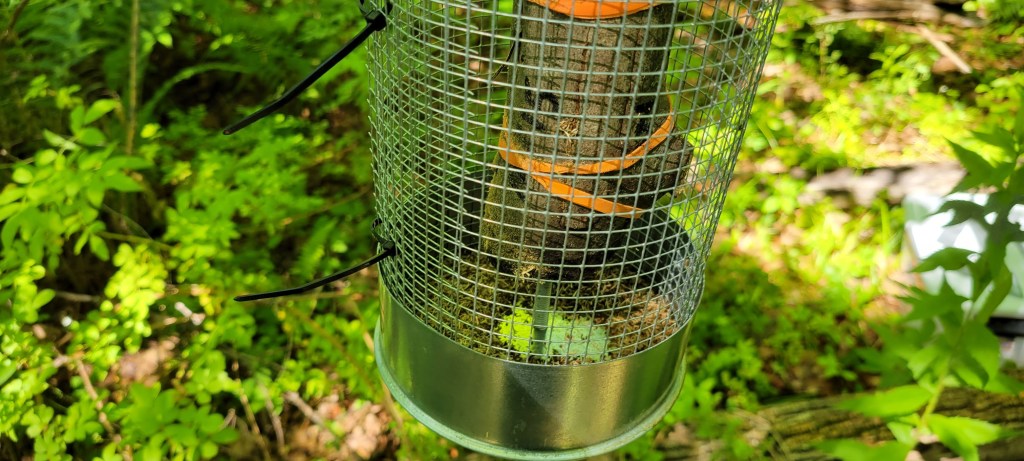


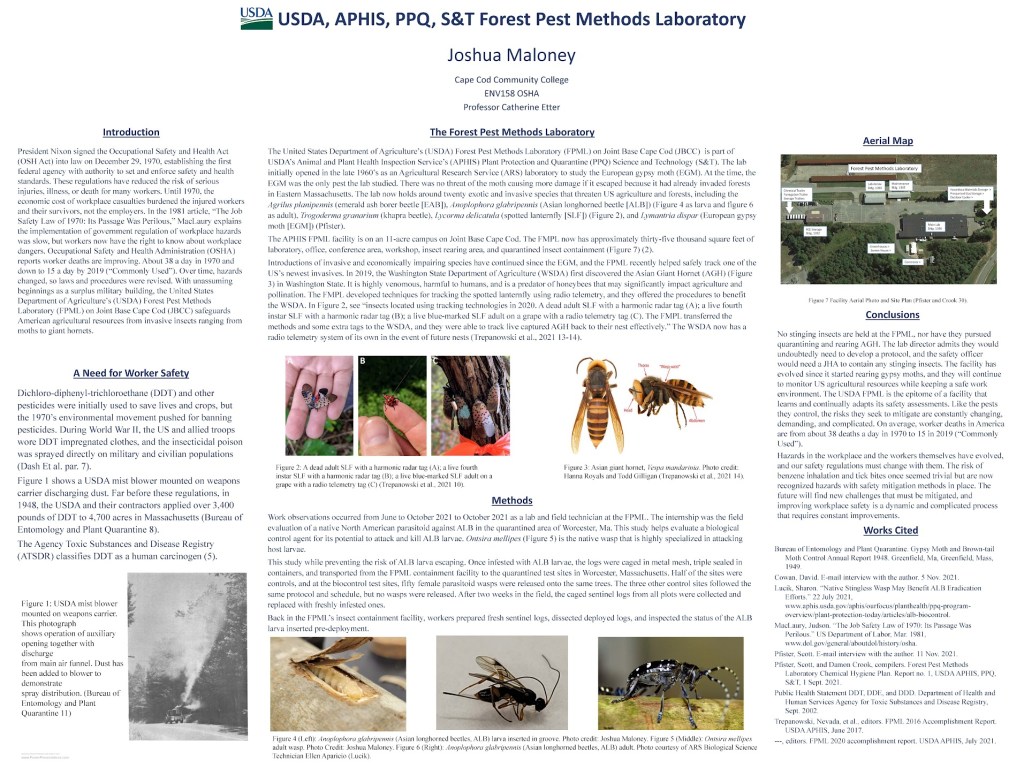
After my two summers on the project and inserting over 1800 ALB larvae into the same number of grooves in 208 cuts, waxed, and prepared logs, the number of ALB parasitized by Ontsira mellipes cocoons could be counted on one hand. Though this was not the result we wished for or needed, it was not all for naught. The biocontrol agent primarily searched for hosts in decaying wood on the ground, not in trees. The wasps tend to move away from sunlight instead of into the canopies where the beetle larvae are.
The information from the study was helpful in the USDA ARS (Agricultural Research Service) BIIRU (Beneficial Insects Introduction Research Unit), but the experience changed my life. I enjoyed the technical aspects of working in a quarantined facility and working on a project that matters. The ALB threatens recreation and forest resources valued at billions of dollars. The ALB has the potential to cause more damage than Dutch elm disease, chestnut blight, and spongy moths combined, destroying millions of acres of America’s treasured hardwoods, including national forests and backyard trees.
Making biweekly deployments and redeployments from the FMPL to the ALB infestation zone in Worcester, MA, I began networking and applying what I learned in college. We took every precaution to prevent ALB’s escape, ensuring my study was not adding to the problem. I triple-sealed the infested logs, vacuumed, and bleached the containers before I took them from the quarantined facility. In Worcester, I met up with the USDA tree climbers who would climb select trees to install the cagged logs out of the public’s reach.

After finishing my second summer with the USDA, I knew I wanted to pursue Integrated Pest Management and tree climbing. I started with Bartlett Tree Experts as a Tree Care Specialist and Climber and I love it. I am still vigilant about the threats of invasive insects, but I am thankful we have passionate people working on dynamic and unique fields.

 Joshua Maloney
Leave a comment